
Remote work has transformed the global travel industry. Millions of professionals now choose destinations that combine reliable internet, affordable living, rich culture, and high quality of life. As a result, digital nomad travel has become one of the fastest-growing segments in tourism.
Sri Lanka is emerging as one of Asia’s most attractive destinations for remote workers. With tropical beaches, cool hill towns, vibrant cities, friendly communities, and improving digital infrastructure, the island offers an ideal balance between work and lifestyle.
In this guide, BH Lanka Tours explores everything you need to know about working remotely from Sri Lanka in 2026, including visa options, best cities for digital nomads, cost of living, internet connectivity, and practical tips for long-term stays.
Sri Lanka, with its rich biodiversity, national parks, rainforests, coastal ecosystems, and cultural heritage, is one of Asia’s most promising destinations for eco-tourism. From jungle lodges and solar-powered resorts to community-based tourism and ethical wildlife experiences, the country is steadily embracing sustainable travel practices.
In this guide, BH Lanka Tours presents everything you need to know about eco-friendly travel in Sri Lanka in 2026, including green hotels, responsible tourism principles, wildlife ethics, and how travelers can make a positive impact while enjoying unforgettable experiences.
Why Sri Lanka Is Becoming a Digital Nomad Hub
Sri Lanka offers a unique combination of professional convenience and lifestyle benefits.
Key advantages include:
Affordable living costs
Growing coworking spaces
English-speaking population
Warm climate year-round
Cultural diversity
Easy domestic travel
Scenic work environments
From beachfront cafés in the south to misty mountain towns in the hills, remote workers can easily find environments that suit their productivity and lifestyle.
Digital Nomad and Remote Work Visa Options in Sri Lanka
Current Visa Landscape (2026 Outlook)
As of recent developments, Sri Lanka has been working towards introducing long-stay and digital-friendly visa categories to attract remote professionals and long-term visitors.
Common visa options used by digital nomads include:
Tourist visa with extensions
Business visa
Long-stay residence visa
Special investor or professional visas
While a dedicated “digital nomad visa” is still evolving, Sri Lanka continues to simplify processes for remote workers.
BH Lanka Tours assists clients with:
Visa consultation
Extension support
Documentation guidance
Local registration advice
How to Stay Long-Term Legally
Most remote workers follow a structured approach:
Enter on a tourist visa
Apply for extensions
Convert to long-stay options if eligible
Maintain legal compliance
Proper visa planning is essential to avoid overstays or penalties.

Best Cities and Regions for Digital Nomads in Sri Lanka
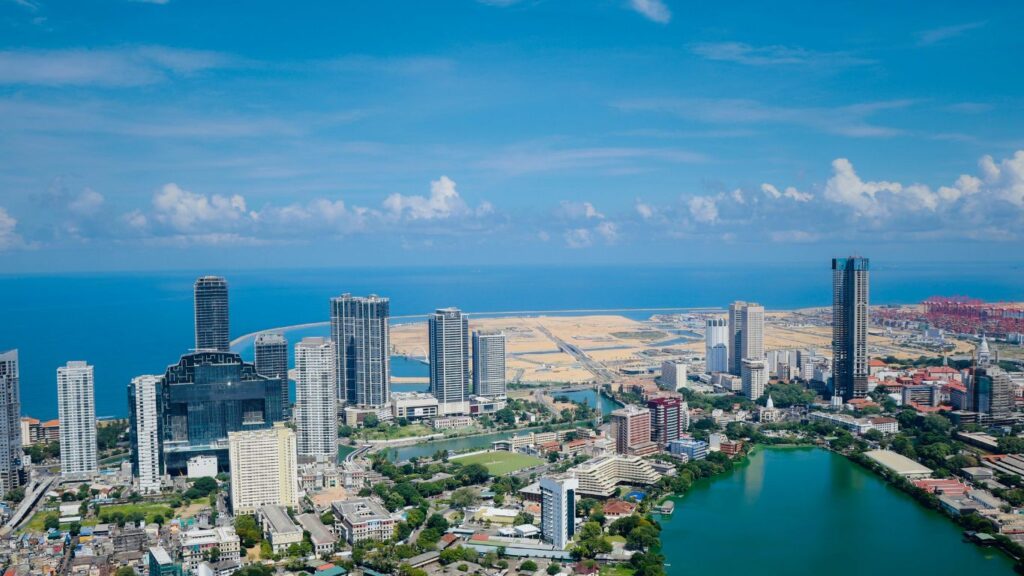
Colombo – The Business and Tech Hub
Colombo is the main commercial center of Sri Lanka and offers the best infrastructure for remote workers.
Why choose Colombo:
Reliable high-speed internet
Coworking spaces
International cafés
Modern apartments
Business networking
Popular areas include Colombo 3, Colombo 5, and Rajagiriya.
Galle and Unawatuna – Beachside Remote Work
Southern coastal towns attract nomads who prefer relaxed beach lifestyles.
Benefits:
Ocean-view cafés
Guesthouses and villas
Yoga and wellness centers
Surf culture
These locations are ideal for creative professionals and freelancers.
Ella and Haputale – Hill Country Productivity
For those who prefer cooler climates and peaceful surroundings, hill towns offer excellent work environments.
Advantages:
Fresh mountain air
Quiet atmosphere
Scenic views
Nature trails
Internet connectivity has improved significantly in these areas.
Kandy – Cultural and Educational Center
Kandy combines traditional culture with modern amenities.
Highlights:
Good connectivity
Universities and libraries
Affordable housing
Central location
It is suitable for long-term residents seeking balance.
Mirissa and Weligama – Surf and Work Lifestyle
These towns are popular among young digital nomads.
Why they stand out:
Surf schools
Coworking cafés
Budget accommodations
International community
They offer a strong work-life balance.
Internet Connectivity and Work Infrastructure
Internet Quality in Sri Lanka
By 2026, Sri Lanka’s internet infrastructure has improved significantly.
Typical speeds:
Urban areas: 50–150 Mbps
Tourist regions: 25–75 Mbps
Rural zones: 10–30 Mbps
Fiber connections are expanding across major cities.
Coworking Spaces
Major coworking hubs include:
Hatch (Colombo)
Trace Expert City
Colombo Cooperative Hub
Southern Coworking Spaces
These facilities offer meeting rooms, printing, networking events, and reliable connectivity.
Mobile Data and SIM Cards
Tourists can easily purchase prepaid SIM cards at airports.
Top providers:
Dialog
Mobitel
Airtel
Hutch
Mobile data is affordable and widely available.
Cost of Living in Sri Lanka for Digital Nomads
One of Sri Lanka’s biggest advantages is affordability.
Monthly Living Cost Estimates (2026)
Budget Lifestyle: USD 600–900
Shared accommodation
Local food
Public transport
Comfortable Lifestyle: USD 1,000–1,500
Private apartment
Coworking membership
Dining out
Premium Lifestyle: USD 1,800–2,500+
Luxury villas
Private transport
Premium services
Main Expense Categories
Accommodation:
Guesthouses: USD 200–400
Apartments: USD 400–800
Villas: USD 900+
Food:
Local meals: USD 2–5
Restaurants: USD 6–15
Transport:
Buses and trains: USD 20–50/month
Scooter rental: USD 50–80
Private driver: USD 300+

Housing Options for Long-Term Stay
Digital nomads in Sri Lanka typically choose:
Serviced apartments
Long-term guesthouses
Airbnb rentals
Co-living spaces
BH Lanka Tours assists with verified long-stay accommodations to ensure safety and comfort.
Daily Life as a Foreigner in Sri Lanka
Language and Communication
English is widely spoken, especially in tourist areas and cities. Most remote workers communicate easily without learning Sinhala or Tamil.
Healthcare and Insurance
Private hospitals in Colombo and Kandy provide high-quality medical care.
Remote workers should carry:
International health insurance
Emergency coverage
Travel medical plans
Banking and Payments
Sri Lanka is moving toward digital payments.
Common methods:
Credit cards
Mobile wallets
Bank transfers
Cash
Foreigners can open local accounts under certain visa categories.
Safety and Social Environment
Sri Lanka is generally safe for long-term visitors.
Key safety tips:
Use registered transport
Secure valuables
Respect local customs
Follow visa rules
Local communities are welcoming and supportive toward foreigners.
Work-Life Balance in Sri Lanka
One of the biggest attractions of living in Sri Lanka is the ability to combine work with adventure.
After work activities include:
Surfing
Hiking
Yoga
Wildlife safaris
Cultural tours
Beach relaxation
This balance improves productivity and well-being.
Taxation and Legal Considerations
Remote workers should understand:
Home country tax obligations
Residency rules
Income reporting requirements
Double taxation agreements
Professional consultation is recommended for long-term stays.
Why Choose BH Lanka Tours for Digital Nomad Travel
BH Lanka Tours provides complete long-stay support for remote professionals.
Our services include:
Visa assistance
Long-term housing support
Coworking arrangements
Airport transfers
SIM card setup
Local orientation
Custom travel planning
We help you focus on work while enjoying Sri Lanka stress-free.
Conclusion
Working remotely from Sri Lanka in 2026 offers a rare combination of affordability, cultural richness, natural beauty, and professional infrastructure.
Whether you are a freelancer, entrepreneur, or corporate remote worker, Sri Lanka provides an inspiring environment to grow your career while enjoying a tropical lifestyle.
With BH Lanka Tours as your long-stay travel partner, you can experience seamless remote work, reliable support, and unforgettable adventures.