As global travel continues to grow, so does awareness about its environmental and social impact. Today’s travelers are no longer interested in simply visiting beautiful destinations. They want to travel responsibly, support local communities, protect wildlife, and minimize their carbon footprint.
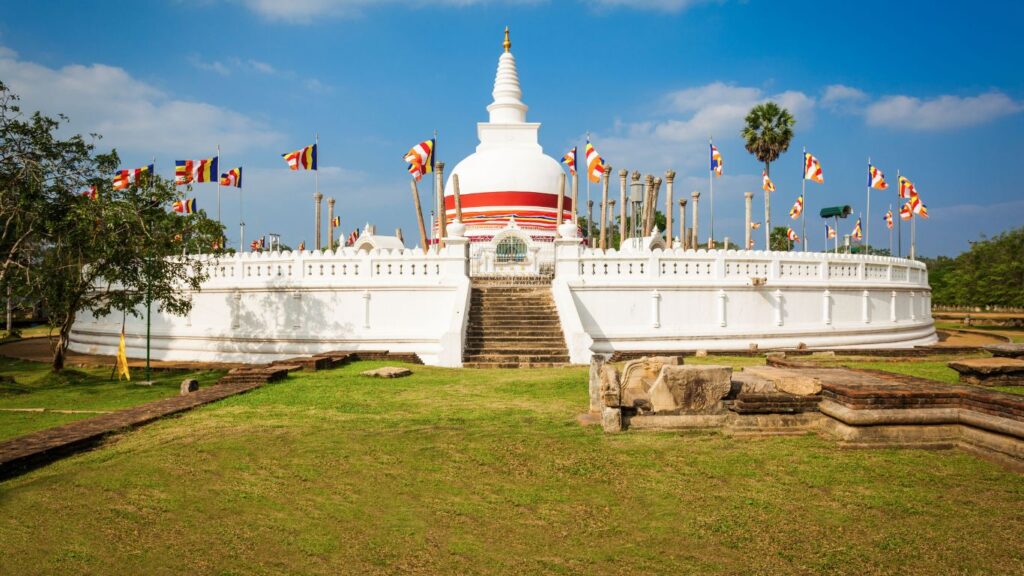
Sri Lanka, with its rich biodiversity, national parks, rainforests, coastal ecosystems, and cultural heritage, is one of Asia’s most promising destinations for eco-tourism. From jungle lodges and solar-powered resorts to community-based tourism and ethical wildlife experiences, the country is steadily embracing sustainable travel practices.
In this guide, BH Lanka Tours presents everything you need to know about eco-friendly travel in Sri Lanka in 2026, including green hotels, responsible tourism principles, wildlife ethics, and how travelers can make a positive impact while enjoying unforgettable experiences.
Understanding Eco-Tourism in Sri Lanka
Eco-tourism focuses on responsible travel to natural areas that conserves the environment and improves the well-being of local people. In Sri Lanka, eco-tourism is deeply connected to wildlife conservation, forest protection, marine preservation, and rural development.
Key principles of eco tourism in Sri Lanka include:
-
Environmental conservation
-
Cultural respect
-
Community empowerment
-
Low-impact travel
-
Education and awareness
With over 26 national parks, UNESCO heritage forests, coral reefs, and wetlands, Sri Lanka offers ideal conditions for sustainable tourism development.
Why Sustainable Travel Matters in Sri Lanka
Sri Lanka’s natural environment is one of its greatest assets. However, mass tourism, plastic waste, illegal wildlife practices, and unregulated development have created serious challenges.
Sustainable travel helps to:
-
Protect endangered species
-
Preserve forests and wetlands
-
Reduce pollution
-
Support rural livelihoods
-
Maintain cultural integrity
By choosing responsible tourism in Sri Lanka, travelers directly contribute to long-term conservation and social development.

Green Hotels and Eco Resorts in Sri Lanka
One of the most visible signs of sustainable travel in Sri Lanka is the growth of eco-friendly accommodations.
What Makes a Hotel “Green”?
Green hotels in Sri Lanka follow practices such as:
-
Solar energy usage
-
Rainwater harvesting
-
Waste recycling
-
Plastic-free policies
-
Organic farming
-
Local employment
These hotels aim to minimize environmental impact while maintaining comfort and quality.
Popular Eco Accommodation Regions
Sinharaja Rainforest Area
Eco lodges near Sinharaja focus on rainforest conservation and birdwatching tourism.
Ella and Haputale
Hill country eco resorts blend tea plantation views with sustainable design.
Yala and Udawalawe
Safari lodges use eco-friendly construction and support wildlife research.
East Coast and South Coast
Beach eco resorts promote coral protection and marine conservation.

Benefits of Staying in Green Hotels
Choosing green hotels in Sri Lanka offers several advantages:
-
Lower carbon footprint
-
Healthier environments
-
Authentic local experiences
-
Support for conservation projects
-
Higher service quality
Many eco resorts also offer guided nature walks, organic meals, and educational programs.
Ethical Wildlife Tourism in Sri Lanka
Sri Lanka is home to elephants, leopards, whales, dolphins, birds, and countless other species. Wildlife tourism is a major attraction, but it must be managed responsibly.
Responsible Safari Practices
Ethical safaris focus on:
-
Maintaining safe distances
-
Limiting vehicle numbers
-
Avoiding animal harassment
-
Respecting breeding seasons
-
Supporting park conservation
BH Lanka Tours works only with licensed and trained safari guides who follow strict ethical guidelines.
Elephant Conservation and Ethical Viewing
Sri Lanka has one of the largest wild elephant populations in Asia. Ethical elephant tourism means observing animals in their natural habitats rather than in captivity.
Best ethical locations include:
-
Udawalawe National Park
-
Minneriya National Park
-
Kaudulla National Park
Visitors should avoid venues offering elephant rides or forced performances.
Responsible Whale and Dolphin Watching
Sri Lanka’s southern coast is famous for whale watching. Responsible operators follow international marine guidelines.
Key principles include:
-
Speed restrictions
-
Limited viewing time
-
No chasing or surrounding
-
Quiet observation
Supporting ethical marine tourism helps protect fragile ocean ecosystems.
Community-Based Tourism and Local Experiences
Sustainable travel in Sri Lanka goes beyond environmental protection. It also focuses on empowering local communities.
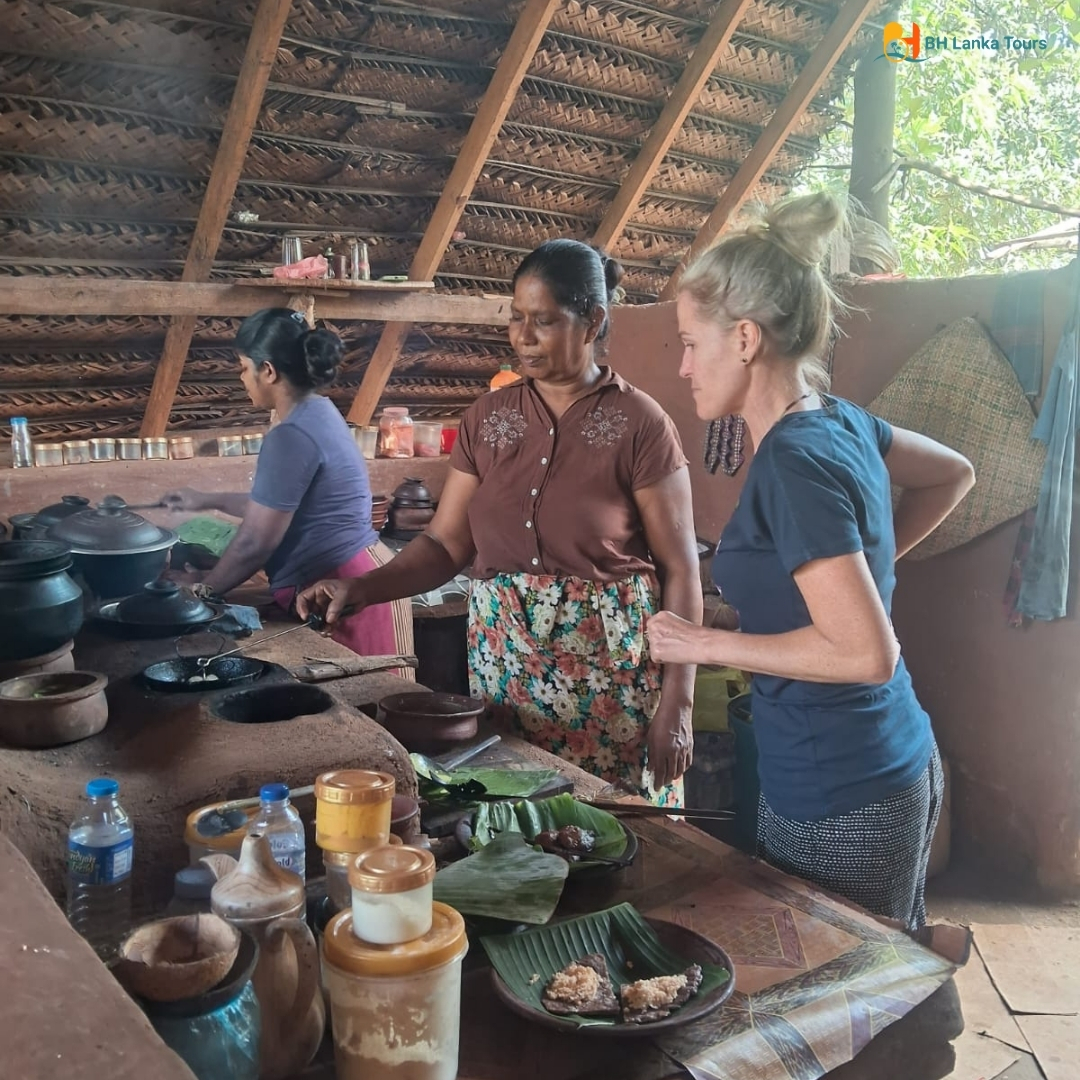
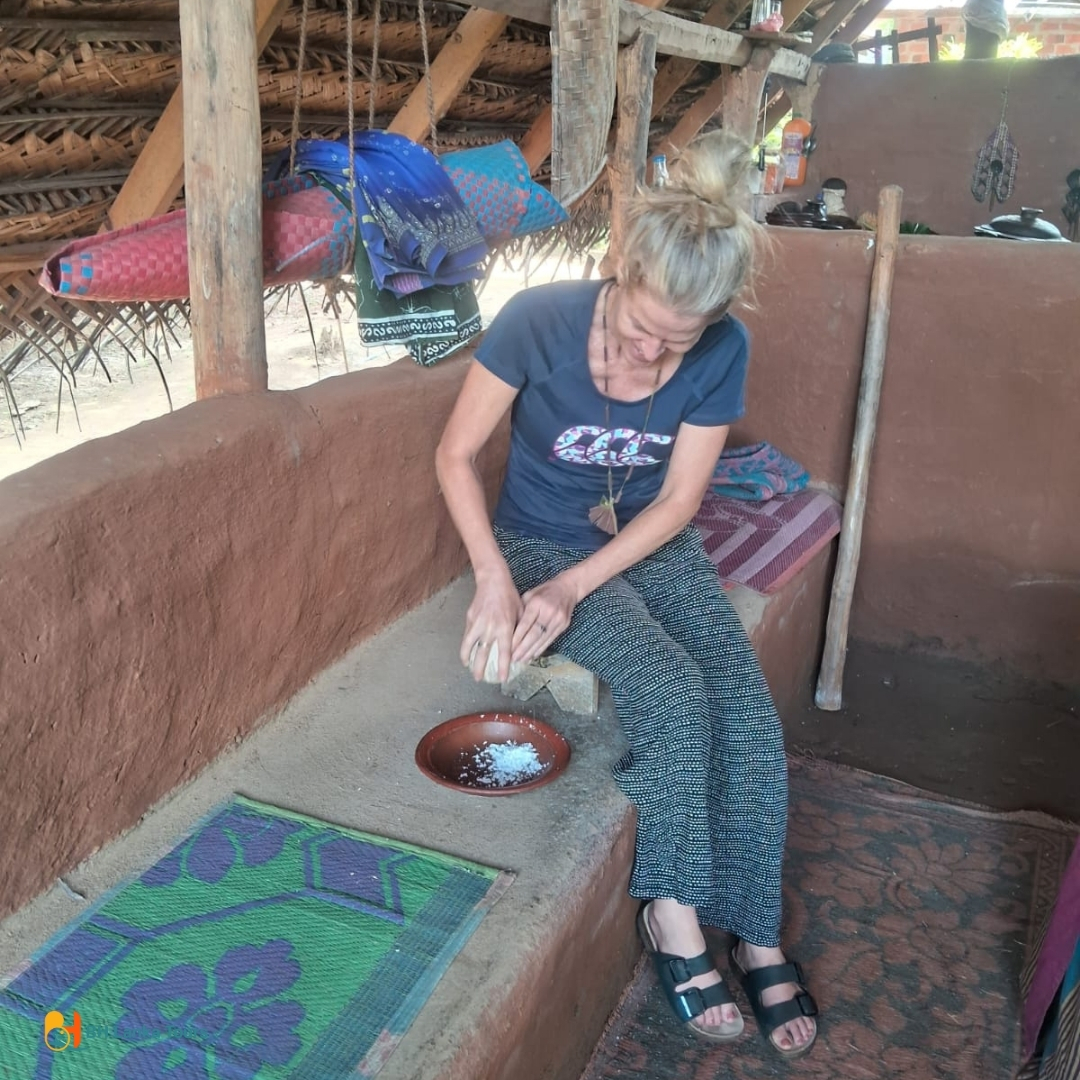
Village Tourism Programs
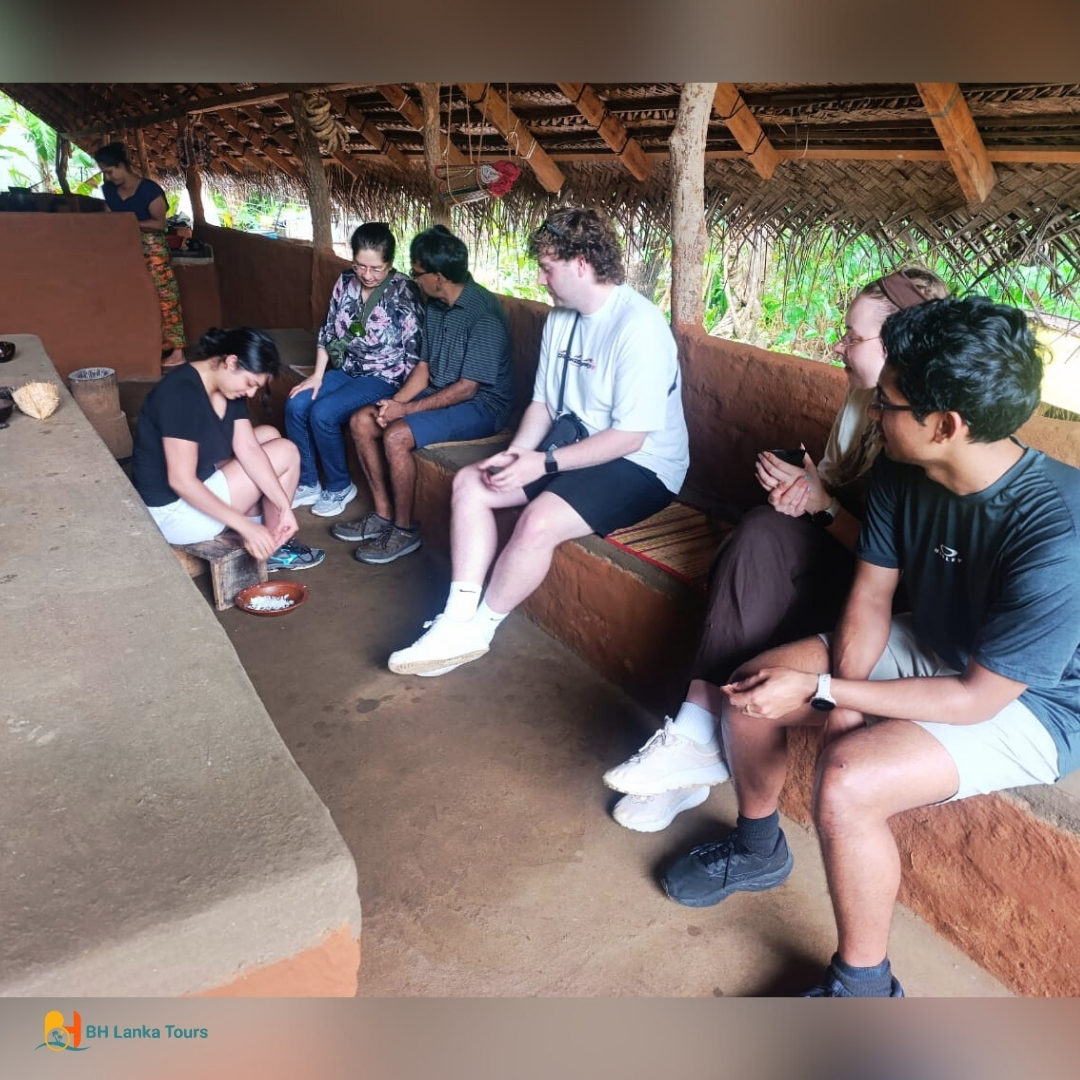
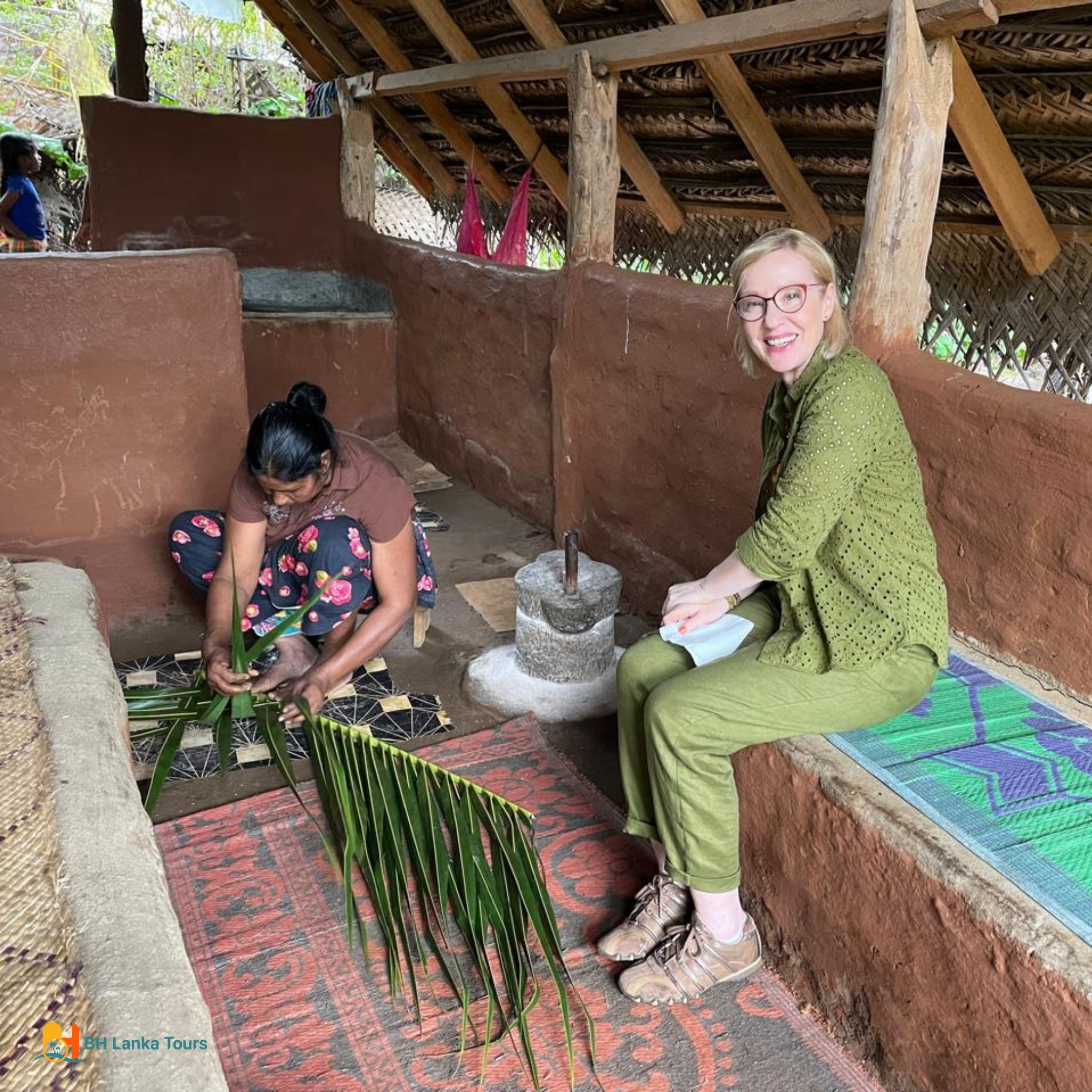
Community tourism allows visitors to experience authentic rural life.
Activities include:
-
Traditional cooking classes
-
Farming experiences
-
Handicraft workshops
-
Cultural performances
These programs generate direct income for villagers.
Homestays and Guesthouses
Local homestays provide:
-
Cultural immersion
-
Homemade meals
-
Personal interactions
-
Economic benefits to families
They are an excellent alternative to large hotels.
Why Choose BH Lanka Tours for Eco-Friendly Travel
BH Lanka Tours is committed to responsible tourism and environmental protection.
Our eco-tourism services include:
-
Carefully selected green hotels
-
Ethical wildlife experiences
-
Community tourism partnerships
-
Low-impact itineraries
-
Environmental awareness programs
-
Certified local guides
We design tours that balance comfort, sustainability, and cultural authenticity.
Conclusion
Eco-friendly travel in Sri Lanka is more than a trend. It is a commitment to preserving nature, respecting culture, and supporting communities for future generations.
From green hotels and ethical wildlife encounters to village tourism and conservation projects, Sri Lanka offers countless ways to travel responsibly without sacrificing comfort or adventure.
With BH Lanka Tours as your eco-travel partner, you can explore Sri Lanka in 2026 with confidence, knowing that your journey contributes positively to the environment and society.